Operator / Web
High-level intent and read-only system status.
ARGOS separates high-level intent from physical execution. AI can reason through defined interfaces; it cannot bypass the robot's execution and safety boundaries.
Each layer has a distinct responsibility. High-level services remain separated from deterministic robot control.
High-level intent and read-only system status.
Reasoning and defined service interfaces.
Mission logic, vision and navigation capabilities.
Robot-side communication and software integration.
Deterministic execution and low-level safety authority.
ROS 2 connects robot-side software components and provides the integration layer for autonomy, perception and high-level control.
Automated ROS testing is isolated from the production ROS environment so test traffic cannot silently become production robot traffic.
High-level intent does not become robot action merely because it was requested.
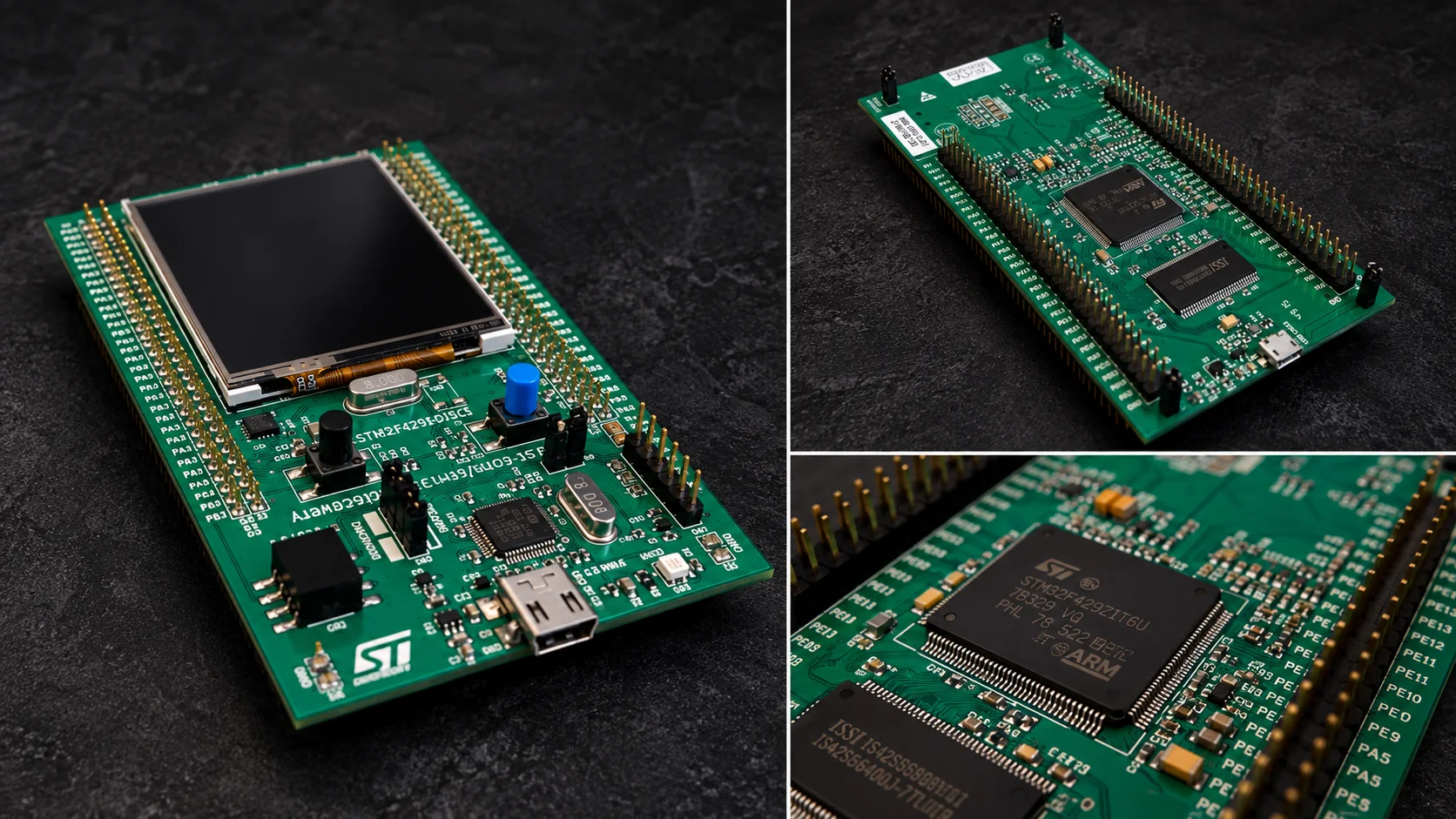
Mission Manager is the mandatory validation and execution boundary. High-level systems do not directly command PWM, H-bridges, steering or motors.
Local vision processing supports deterministic detection and event generation on the robot. Current accepted work includes camera lifecycle, evaluation tooling and read-only vision events.
AI-assisted visual understanding operates at a higher reasoning layer. It consumes bounded inputs and does not become a low-level control path.
Mapping and autonomous navigation are planned capabilities. They remain explicitly non-operational here until implementation and acceptance demonstrate otherwise.
AI may perform high-level reasoning through defined interfaces. The architecture prevents AI, browser, server or other high-level components from directly controlling actuators or bypassing Mission Manager and STM32 safety authority.
Failure behavior is part of the architecture, not an afterthought.
Stale intent is not treated as valid after reconnect.
Low-level safety does not depend solely on Linux, ROS, network connectivity, a server, browser or AI.
Production and automated ROS test execution are separated by fail-safe guardrails.
Capabilities move from planned to operational only after implementation and acceptance. The public showcase follows that same rule.